
How Asphalt Sealing Protects Driveways
Local driveway asphalt sealing experts can help protect your driveway by applying a sealant that prevents damage from weather, water, and wear.
If you’ve been exploring ways to maintain the longevity and appearance of your driveway, understanding how asphalt sealing protects driveways is a smart place to start. Proper sealing acts as a barrier against damaging elements such as moisture, UV rays, and everyday wear and tear, helping to prevent cracks, potholes, and surface deterioration. Property owners in the area often find that investing in professional asphalt sealing services can significantly extend the life of their driveway, saving money and reducing the need for costly repairs down the line. Keep reading to discover practical reasons why sealing your driveway can be an effective part of your property maintenance routine.
Local contractors who specialize in driveway asphalt sealing provide the expertise needed to ensure the job is done correctly and efficiently. They understand the specific conditions of the area and can recommend the best sealing solutions to protect your driveway from the challenges of local weather and traffic. Learning more about how asphalt sealing works and its benefits can help you make informed decisions about maintaining your property’s curb appeal and structural integrity. Continue exploring to see how professional sealing services can support your driveway’s health and appearance over time.
- New driveway sealing - homeowners seeking to protect fresh asphalt often rely on local contractors to apply sealing that guards against early damage.
- Cracked or aged driveway sealing - property owners noticing deterioration may turn to service providers for sealing that helps prevent further cracking and surface erosion.
- Preventive driveway sealing - those looking to extend the lifespan of their asphalt driveways often work with local pros to apply protective seal coats regularly.
- Post-repair driveway sealing - after asphalt repairs, local contractors are contacted to seal the surface and shield newly patched areas from future damage.
- Seasonal driveway sealing - residents preparing for harsh weather conditions often seek sealing services to protect driveways from moisture and temperature-related wear.
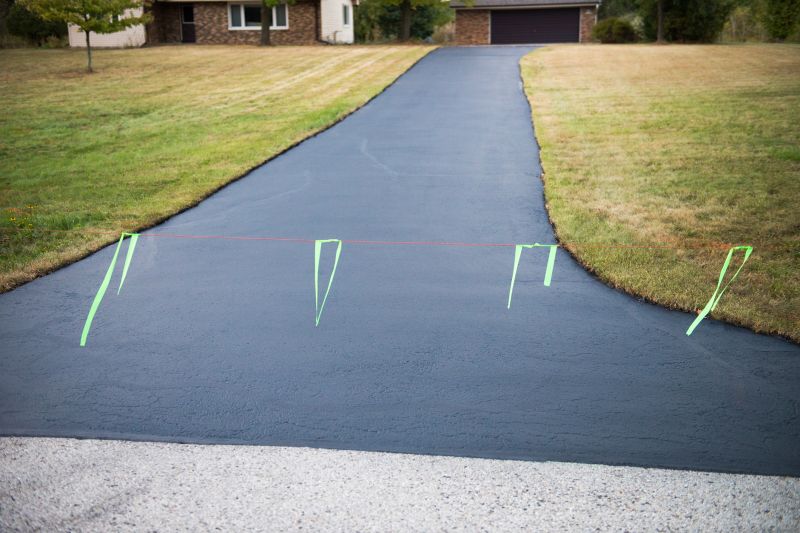
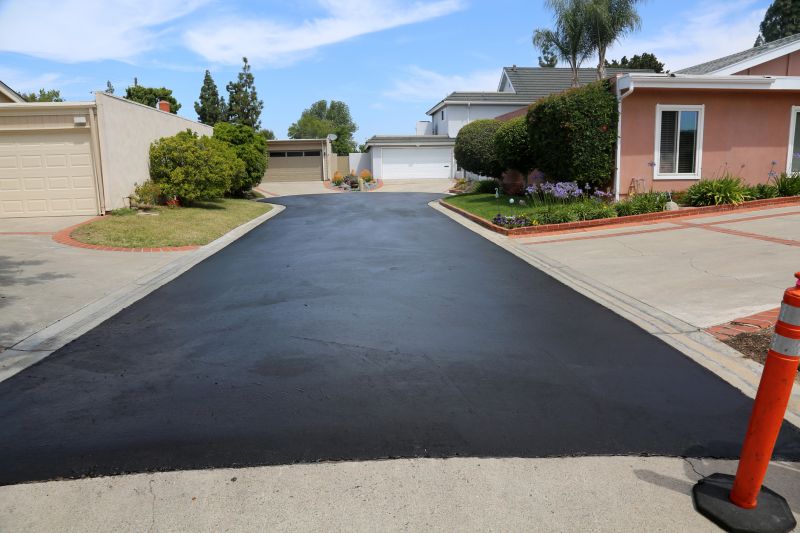
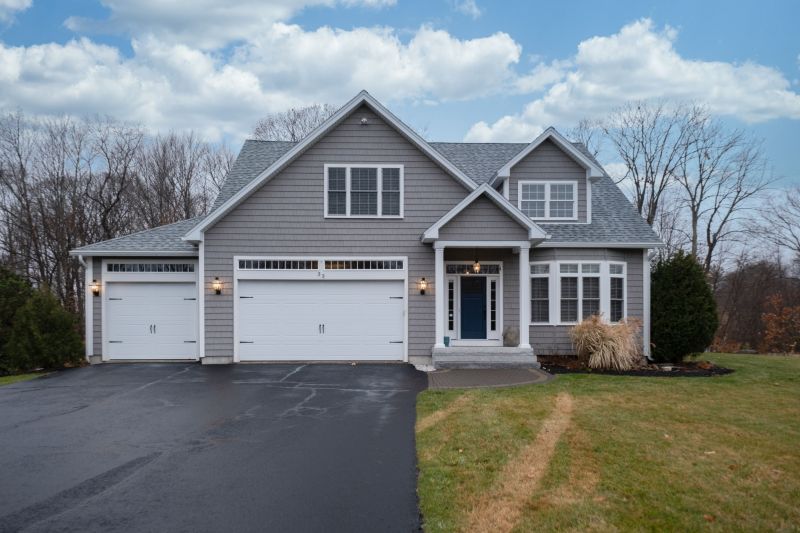
When homeowners search for information about how asphalt sealing protects driveways, they often want to understand the benefits of applying a protective coating to their existing pavement. Many are considering sealing as part of a broader effort to maintain or improve the appearance and longevity of their driveway. They may have noticed signs of wear, such as cracking, fading, or surface erosion, and are exploring options to prevent further damage. The goal is usually to find a way to extend the lifespan of the driveway, reduce future repair costs, and keep the property looking well-maintained.
This topic is closely related to common driveway problems and planning efforts. Driveways are exposed to daily traffic, weather fluctuations, and temperature changes, all of which can cause deterioration over time. Cracks can develop, leading to water infiltration that accelerates damage. Fading or discoloration can also diminish curb appeal. Homeowners often seek asphalt sealing as a preventive measure or a way to address existing issues, aiming to protect their investment. Whether preparing for a driveway upgrade or simply trying to maintain its condition, understanding how sealing works is an essential part of planning for long-term durability.
The types of properties that typically come up in discussions about asphalt sealing include residential homes, multi-family complexes, and small commercial properties. Most homeowners with private driveways are interested in sealing to preserve their property's value and appearance. Property managers overseeing apartment complexes or condominiums may consider sealing to maintain a consistent look and reduce ongoing maintenance costs. Small business owners with parking lots also frequently explore sealing options to protect their pavement from the elements and heavy traffic. In all cases, local contractors who specialize in asphalt sealing can provide tailored solutions suited to the specific needs of each property type.
Understanding how asphalt sealing protects driveways involves recognizing its role as a barrier against damaging elements. The coating helps prevent water from seeping into the pavement, which is a major cause of cracking and potholes. It also shields the surface from UV rays, which can cause asphalt to fade and weaken over time. Additionally, sealing can reduce the impact of oil, gasoline, and other chemicals that might stain or degrade the surface. For property owners, partnering with experienced service providers ensures that the sealing process is properly executed, maximizing the protective benefits and helping to maintain the driveway’s appearance and structural integrity for years to come.
Paving projects - paving driveways, walkways, or parking lots require planning and surface preparation skills similar to asphalt sealing to ensure durability and protection.
Concrete sealing services - sealing concrete surfaces involves applying protective coatings that share similar techniques and planning considerations as asphalt sealing to prevent surface damage.
Driveway repair and resurfacing - these projects involve surface assessment and preparation, aligning with the skills needed for effective asphalt sealing to extend pavement lifespan.
Surface crack filling - filling cracks in asphalt or concrete surfaces requires precise planning and application skills that are also essential in asphalt sealing to prevent further damage.
Sealcoating for parking lots - large-scale sealcoating projects involve surface preparation and protective coating application similar to driveway asphalt sealing to maintain surface integrity.
Landscape paving and hardscaping - installing paver walkways or patios involves planning and surface preparation skills that complement those used in asphalt sealing to protect and enhance surfaces.
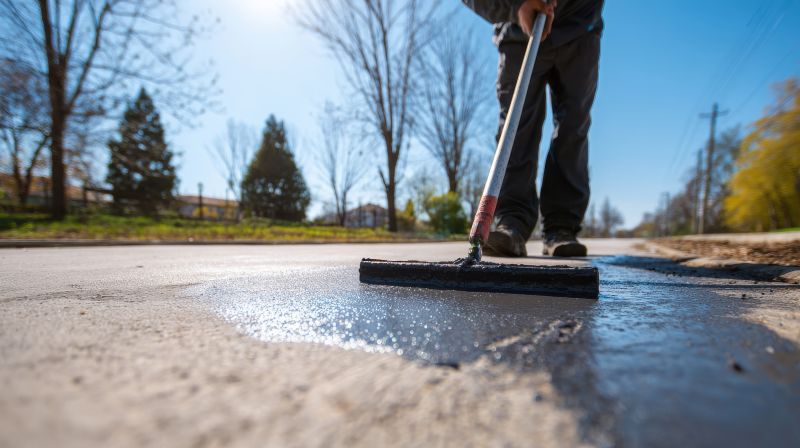
When comparing local contractors for driveway asphalt sealing services, it’s important to consider their experience with similar projects. An experienced service provider will have a clear understanding of how asphalt sealing protects driveways and can tailor their approach to meet the specific needs of different surfaces and conditions. Asking about their past work on residential driveways can help determine if they have the practical knowledge necessary to deliver a durable and effective seal coat. Additionally, reputable local contractors often have a portfolio of completed projects that can serve as a reference point for evaluating their expertise and quality of work.
Clear written expectations are essential when selecting a driveway sealing service. A trustworthy contractor will provide detailed information about the scope of work, the materials used, and the steps involved in the sealing process. This transparency helps homeowners understand what to expect and ensures that there are no surprises once the project begins. Establishing these expectations upfront also facilitates better communication and can prevent misunderstandings. Service providers who communicate openly and are willing to answer questions about how asphalt sealing protects driveways demonstrate professionalism and a commitment to customer satisfaction.
Reputable references and strong communication are key factors in choosing the right local contractor for driveway sealing. References from previous clients can offer insights into the contractor’s reliability, quality of work, and ability to meet deadlines. Good communication throughout the project ensures that any concerns or questions are addressed promptly, contributing to a smoother experience. When evaluating service providers, it’s helpful to inquire about their reputation within the community and how they handle client feedback. A contractor who maintains clear, consistent communication and has positive references is more likely to deliver a successful sealing job that effectively protects the driveway over time.
Property owners often search for how asphalt sealing protects driveways when they are planning practical projects around their homes and businesses. Local pros provide Driveway Asphalt Sealing services for everyday jobs and straightforward project options.
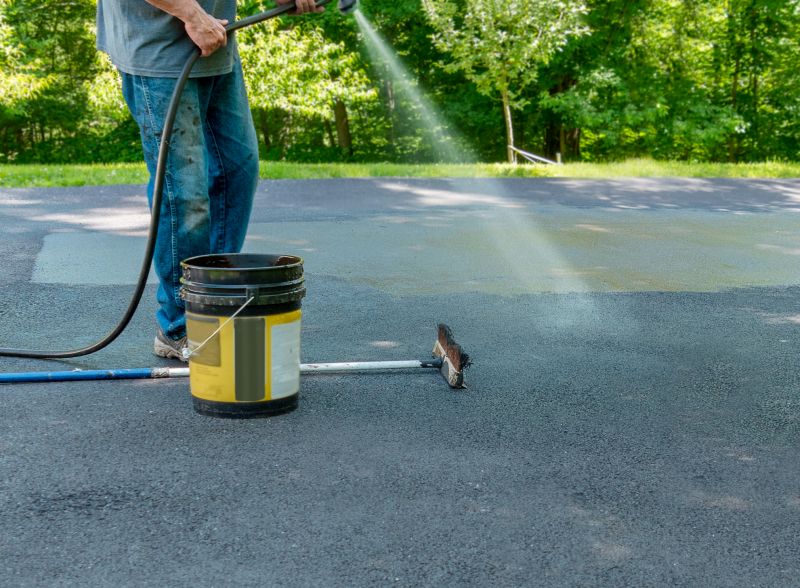
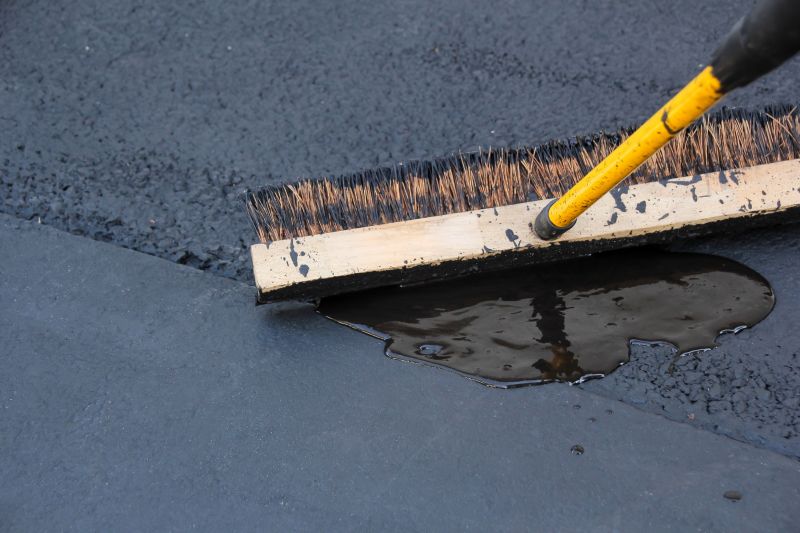
In everyday situations, property owners often look into asphalt sealing to help maintain the appearance and durability of their driveways. Over time, exposure to sunlight, water, and temperature changes can cause asphalt surfaces to crack, fade, and deteriorate. Local contractors who specialize in driveway asphalt sealing can provide the necessary services to create a protective barrier, helping to prevent damage caused by these common elements. This simple step can extend the lifespan of a driveway, saving money on repairs and keeping the property looking well-kept.
Many property owners in the area consider asphalt sealing as an effective way to safeguard their driveways against everyday wear and tear. Whether preparing for seasonal changes or simply wanting to preserve curb appeal, seeking out experienced service providers can make a noticeable difference. These local contractors can assess the condition of a driveway and recommend sealing options that help resist cracks, oil spills, and surface erosion. Regular sealing maintenance can be an important part of protecting a driveway from the ongoing effects of regular use and environmental exposure.
How does asphalt sealing help protect driveways? Asphalt sealing creates a protective barrier that guards against water penetration, UV damage, and surface wear, extending the lifespan of driveways. Local contractors apply sealants that help prevent cracks and deterioration caused by weather and daily use.
Can asphalt sealing prevent cracks and potholes? While asphalt sealing can reduce the likelihood of surface cracks and potholes by providing a protective layer, it is not a guarantee against all types of damage. Regular maintenance by local service providers can help address minor issues early.
Why is sealing important for asphalt driveways? Sealing preserves the asphalt surface by preventing damage from moisture, UV rays, and chemicals, which can weaken the material over time. Local pros offer sealing services that help maintain the driveway’s appearance and durability.
How often should asphalt driveways be sealed? Most experts recommend sealing asphalt driveways every 2 to 3 years to maintain protection. Local contractors can assess the condition of a driveway and suggest appropriate sealing intervals based on its usage and environment.
What role do local service providers play in asphalt sealing? Local contractors prepare the driveway surface, apply high-quality sealants, and ensure proper sealing techniques are used to maximize protection. Their expertise helps ensure the sealing process effectively prolongs the driveway’s lifespan.
Protecting against water damage - Asphalt sealing helps prevent water from seeping into the driveway, reducing the risk of cracks and potholes caused by freeze-thaw cycles, with local contractors offering sealing services.
Enhancing durability - Applying a seal coat strengthens the driveway surface, making it more resistant to everyday wear and tear, which local service providers can assist with.
Preventing oil and stain absorption - Sealing the driveway creates a barrier that blocks stains from oil, gasoline, and other chemicals, helping maintain a clean appearance with the help of local pros.
Extending driveway lifespan - Regular sealing by local contractors can significantly prolong the life of a driveway, saving money on repairs and replacements over time.
If you are thinking about how asphalt sealing protects driveways for a property, this guide is meant to help you understand this topic, the typical project types, and how different options might fit your plans.
When you are ready, you can use the quote form on this page to share a few details about your project. From there, local pros can review the basics and follow up with options that match what you have in mind.